How Emerging Technologies Are Shaping the Future of Gecktech


Introduction
Technology is evolving faster than ever, changing how people communicate, businesses operate, and industries develop new solutions. Artificial intelligence, cloud computing, automation, and advanced digital systems are becoming essential parts of modern life. These innovations are not simply improving existing processes; they are creating entirely new opportunities for businesses and individuals. As organizations search for smarter and more efficient ways to operate, understanding emerging technologies has become increasingly important.
The growing interest in gecktech reflects a broader curiosity about technological innovation and the digital transformation taking place across different industries. Modern technology is no longer limited to large corporations or specialized research institutions. Small businesses, entrepreneurs, students, and everyday users can now access powerful digital tools that were once expensive or difficult to implement.
Looking toward the future, emerging technologies are expected to influence everything from workplace productivity to healthcare, education, cybersecurity, and environmental sustainability. Understanding these developments helps businesses prepare for changing market conditions while allowing individuals to make informed decisions about digital tools. This article explores the technologies shaping the modern digital landscape, their practical applications, and the opportunities and challenges they create.
Understanding the Growing Importance of Emerging Technologies

Emerging technologies refer to new or rapidly developing innovations that have the potential to transform existing systems, industries, and everyday activities. These technologies often begin as experimental solutions before becoming widely adopted through improvements in affordability, reliability, and accessibility. Artificial intelligence, machine learning, blockchain, edge computing, and advanced robotics are examples of technologies attracting significant attention.
The importance of these developments extends beyond convenience. Businesses increasingly depend on digital systems to manage customer relationships, analyze information, automate repetitive activities, and improve operational efficiency. Organizations that successfully adopt appropriate technologies can respond more quickly to market changes and develop innovative products. However, technology adoption also requires careful planning, employee training, and ongoing evaluation. The most successful organizations focus on solving practical problems rather than implementing every new trend.
Artificial Intelligence Is Transforming Digital Innovation
Artificial intelligence has become one of the most influential technologies in the modern digital environment. AI systems can analyze large datasets, recognize patterns, generate content, and support decisions that previously required extensive human effort. Businesses use artificial intelligence for customer service, fraud detection, demand forecasting, marketing analysis, and workflow management. Generative AI has also expanded the possibilities for software development, research assistance, and creative production.
For readers exploring gecktech, artificial intelligence represents an important area of technological development because of its ability to connect multiple digital processes. A retail company, for example, might use AI to analyze purchasing behavior and recommend suitable products. Healthcare professionals may use carefully validated AI tools to support medical image analysis, while manufacturers can apply predictive models to identify equipment problems before major failures occur. Despite these advantages, AI systems still require human oversight, accurate information, privacy protections, and responsible implementation.
The Role of Machine Learning in Smarter Systems
Machine learning is a branch of artificial intelligence that allows computer systems to identify patterns in data and improve performance through training. Instead of relying entirely on manually programmed instructions, machine learning models learn relationships from examples. This capability supports applications such as recommendation engines, language translation, financial risk assessment, and predictive maintenance.
As machine learning becomes more accessible through cloud platforms and development tools, smaller organizations can experiment with intelligent applications without building complex infrastructure from scratch. Nevertheless, the quality of the results depends heavily on reliable datasets, suitable model selection, and continuous monitoring. Poorly designed systems can produce inaccurate or biased outcomes, making responsible development essential.
Cloud Computing Is Creating Flexible Digital Infrastructure
Cloud computing has changed how organizations store information, operate applications, and manage computing resources. Instead of maintaining all technology infrastructure within physical offices, businesses can access computing power, databases, and software through remote platforms. This approach allows organizations to adjust resources according to demand and support employees working across different locations.
Cloud technology is particularly valuable for growing businesses because it can reduce the need for large upfront infrastructure investments. A startup developing an online application can use cloud services to handle customer traffic without purchasing expensive servers. Similarly, established companies can combine cloud services with existing systems to improve flexibility. However, cloud adoption requires careful consideration of operating costs, data protection, service availability, and regulatory responsibilities. A well-designed cloud strategy should balance convenience with long-term reliability and security.
Edge Computing and Faster Data Processing
Edge computing complements cloud infrastructure by processing information closer to where it is generated. This approach can reduce delays and limit the amount of data that must travel to centralized servers. It is especially useful in manufacturing facilities, connected vehicles, smart buildings, and industrial monitoring systems.
For example, sensors in a factory can analyze equipment conditions locally and trigger immediate alerts when unusual activity occurs. This faster response can help prevent interruptions and improve workplace safety. As connected devices become more common, combining edge computing with cloud-based analysis will provide organizations with additional options for managing information efficiently.
Automation and Robotics Are Reshaping Business Operations
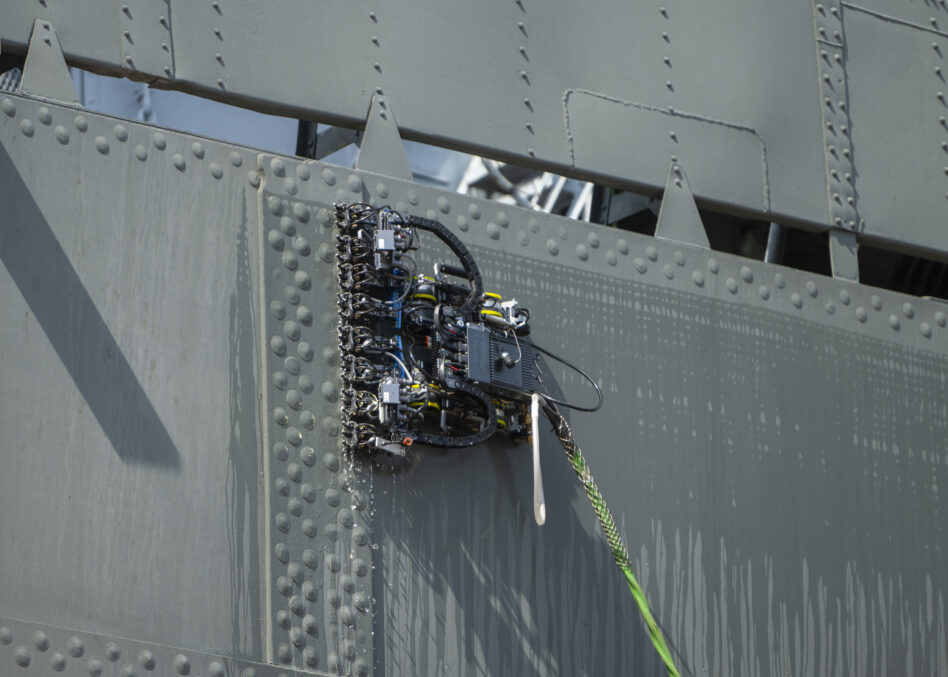
Automation helps organizations perform repetitive activities with greater consistency and efficiency. Modern automation extends beyond traditional manufacturing machines and includes software systems capable of processing documents, managing schedules, transferring information, and supporting customer interactions. Robotic process automation, commonly called RPA, is particularly useful for routine administrative tasks that follow predictable rules.
The relationship between gecktech and modern automation trends highlights the growing importance of efficient digital workflows. A logistics company might automate shipment updates, while a financial organization could use software to organize transaction records and identify unusual activity for review. In manufacturing, collaborative robots can assist employees with repetitive physical tasks. These developments do not eliminate the need for human expertise. Instead, they can allow employees to focus on problem-solving, customer relationships, quality control, and strategic decisions.
Cybersecurity Is Becoming Essential for Digital Growth
As organizations adopt advanced technologies, cybersecurity becomes increasingly important. Connected systems, cloud applications, mobile devices, and digital payment platforms create valuable opportunities but also introduce potential security risks. Cybercriminals may target weak passwords, outdated software, unsecured networks, or employees through deceptive messages.
Modern cybersecurity strategies emphasize continuous monitoring, identity verification, secure software development, and rapid incident response. Artificial intelligence can help security teams identify unusual patterns, although attackers may also use advanced tools to create more convincing threats. Businesses must therefore combine technology with employee awareness and effective security policies.
Several practices are especially important for protecting modern digital systems:
-
Use multifactor authentication and strong access controls.
-
Keep software, devices, and security systems updated.
-
Maintain reliable backups and test recovery procedures.
-
Train employees to recognize phishing and suspicious activity.
-
Monitor important systems for unusual behavior.
Cybersecurity should be treated as an ongoing business responsibility rather than a one-time technical investment. Organizations that protect customer information and respond effectively to incidents are better positioned to maintain trust in an increasingly connected economy.
Internet of Things and the Expansion of Smart Technology
The Internet of Things, or IoT, describes networks of physical devices that collect and exchange information through digital connections. Smart thermostats, wearable health monitors, industrial sensors, connected vehicles, and agricultural monitoring equipment are familiar examples. These devices help users understand real-world conditions and respond through automated systems.
IoT technology is especially valuable when combined with artificial intelligence and cloud computing. In agriculture, connected sensors can monitor soil moisture and support more efficient irrigation decisions. Smart buildings can adjust lighting and temperature based on occupancy, potentially reducing unnecessary energy consumption. Industrial facilities can track machinery performance and identify maintenance requirements. However, connected devices also introduce privacy, compatibility, and cybersecurity challenges. Organizations must consider device maintenance, secure communication, and responsible data collection when developing IoT solutions.
Blockchain and the Future of Digital Trust
Blockchain technology provides a method for maintaining shared records across distributed networks. Although commonly associated with cryptocurrencies, blockchain can also support applications involving digital identity, transaction verification, and supply chain traceability. Its usefulness depends on whether a particular problem genuinely benefits from shared, tamper-evident records.
Within discussions about gecktech and future digital innovation, blockchain offers an example of how trust and transparency may be supported through technology. Supply chain participants, for instance, can use appropriately designed systems to record product movements and verify submitted information. Smart contracts may automate certain processes when predefined conditions are satisfied.
However, blockchain is not automatically superior to conventional databases. Implementation costs, scalability, privacy, governance, and legal requirements must be evaluated carefully. Its greatest value emerges in situations where multiple parties need a coordinated recordkeeping system without relying entirely on one central administrator.
Comparing Major Emerging Technologies and Their Applications
Different technologies address different business challenges. Understanding their practical applications can help organizations choose solutions that match their operational goals.
| Emerging Technology | Primary Application | Potential Business Benefit |
|---|---|---|
| Artificial Intelligence | Data analysis and intelligent assistance | Better insights and productivity |
| Cloud Computing | Remote infrastructure and applications | Flexible resource management |
| Automation and Robotics | Repetitive digital and physical tasks | Greater operational consistency |
| Internet of Things | Connected monitoring devices | Improved real-time visibility |
| Blockchain | Shared digital records | Stronger traceability |
| Edge Computing | Local data processing | Faster responses and reduced latency |
These technologies often deliver greater value when used together. For example, a manufacturing company could collect information through IoT sensors, process urgent signals through edge computing, store historical records in the cloud, and apply AI to predict equipment maintenance needs. Such integrated approaches demonstrate why businesses should evaluate technologies as parts of a wider digital strategy rather than isolated products.
How Emerging Technologies Are Changing the Workplace
Digital innovation is influencing employment patterns, professional responsibilities, and workplace expectations. Many organizations now use collaboration platforms, intelligent software, and automated reporting systems to coordinate teams and manage projects. These technologies can support flexible working arrangements while improving access to information across departments.
The future of gecktech as a topic of technological exploration is closely connected to these workplace changes. Employees increasingly benefit from skills involving digital communication, data interpretation, cybersecurity awareness, and AI-assisted productivity. At the same time, organizations must invest in training to ensure workers understand both the benefits and limitations of new tools. Technology should support employees rather than introduce unnecessary complexity. Clear policies, accessible training, and thoughtful implementation can help businesses improve productivity while maintaining employee confidence.
Sustainable Technology and Responsible Innovation
Environmental sustainability is becoming an important consideration in technology development. Businesses are exploring energy-efficient computing systems, intelligent building management, renewable energy integration, and digital tools that reduce material waste. Data analytics can help organizations monitor energy consumption and identify opportunities for improved efficiency.
However, advanced technologies also consume resources. Large computing facilities require electricity and cooling, while electronic devices depend on manufacturing materials and eventually create disposal challenges. Responsible innovation therefore involves examining the complete environmental impact of digital systems. Organizations can improve sustainability by extending equipment lifespans, selecting efficient infrastructure, reducing unnecessary data processing, and adopting appropriate recycling practices. Meaningful environmental progress requires measurable results rather than broad claims about technology being automatically sustainable.
Challenges Businesses Face When Adopting New Technologies
Although emerging technologies offer substantial opportunities, implementation is not always straightforward. Businesses may struggle with limited budgets, outdated infrastructure, insufficient technical expertise, or uncertainty about financial returns. Introducing new systems without a clear strategy can create operational disruption and unnecessary expenses.
Organizations exploring gecktech and broader technology trends should understand that successful digital transformation depends on preparation. Before investing, decision-makers should identify specific problems, evaluate available solutions, and determine how results will be measured. A company adopting AI-powered customer support, for example, should assess response accuracy, customer satisfaction, privacy requirements, and escalation procedures before expanding the system.
The following considerations can improve technology adoption:
-
Define measurable business objectives before selecting tools.
-
Evaluate implementation costs and long-term maintenance requirements.
-
Provide practical training for employees.
-
Test new systems through smaller pilot projects before expansion.
A gradual, evidence-based approach helps organizations identify problems early and make informed decisions about further investment.
What the Future Holds for Digital Innovation
The next stage of technological development will likely involve greater integration between artificial intelligence, connected devices, advanced computing, and automated systems. AI agents may handle increasingly complex workflows under human supervision, while robotics could expand into additional logistics, healthcare, and industrial applications. Developments in semiconductor technology, advanced connectivity, and specialized computing may also improve the performance of future digital systems.
Interest in gecktech can be understood within this wider movement toward accessible and interconnected technology. Rather than focusing exclusively on individual innovations, future progress will depend on how effectively different systems work together. Organizations will also need to address concerns involving privacy, accountability, workforce adaptation, and environmental impact. Businesses that combine innovation with responsible governance will be better prepared to benefit from technological change.
Frequently Asked Questions
1. What are emerging technologies?
Emerging technologies are new or rapidly developing tools and systems with the potential to change industries, business operations, and everyday life. Examples include artificial intelligence, machine learning, robotics, edge computing, and blockchain. Their adoption depends on practical usefulness, affordability, reliability, and the ability to solve real problems.
2. Why is artificial intelligence important for the future?
Artificial intelligence helps organizations analyze information, automate selected activities, and support decision-making. It can improve productivity in fields such as healthcare, finance, retail, and manufacturing. However, effective AI adoption requires reliable data, human oversight, and safeguards against inaccurate or harmful outcomes.
3. How can small businesses benefit from emerging technologies?
Small businesses can use cloud applications, digital marketing tools, automation software, and AI-powered assistance to improve everyday operations. These technologies may reduce repetitive work, support customer communication, and provide useful business insights. Starting with affordable solutions that address specific needs is often more effective than adopting multiple systems simultaneously.
4. What role does cybersecurity play in technological innovation?
Cybersecurity protects digital systems, business information, and customer data from unauthorized access and disruption. As organizations become more connected, security risks can increase. Strong authentication, regular software updates, employee training, and reliable backup procedures help reduce exposure to common threats.
5. How will emerging technologies influence future employment?
Emerging technologies are expected to change many job responsibilities by automating routine tasks and creating demand for new technical and analytical skills. Some roles may be redesigned while others emerge. Continuous learning, adaptability, and the ability to work effectively with digital tools will remain valuable across many industries.
6. What should readers understand about gecktech and future technology trends?
The keyword is associated here with exploring the broader landscape of digital innovation and emerging technologies. Readers can benefit from understanding how AI, cloud computing, automation, and cybersecurity interact. Evaluating technologies based on practical applications, reliability, and long-term value provides a stronger foundation than following trends without clear objectives.
Conclusion
Emerging technologies are reshaping the modern world by improving communication, transforming business processes, and creating opportunities for innovation. Artificial intelligence, cloud computing, automation, IoT, blockchain, and advanced cybersecurity are influencing how organizations operate and how individuals interact with digital systems. Their combined potential is significant, but meaningful results depend on responsible implementation and continuous improvement.
As interest in gecktech and modern technology continues to develop, understanding these innovations will become increasingly valuable. Businesses should prioritize practical solutions, invest in employee skills, and maintain strong security standards. Individuals can also benefit by developing digital knowledge and staying informed about changes affecting their professional and personal lives.
Ultimately, the future of technology will not be defined simply by the number of new tools introduced. It will depend on how effectively those tools solve real problems, support human capabilities, and contribute to a more efficient, secure, and sustainable digital world.