Gecktech: A Fresh Perspective on Modern Digital Discoveries


Introduction
Technology has become an essential part of everyday life, influencing how people communicate, work, learn, shop, and manage their personal activities. From artificial intelligence and cloud computing to smart devices and digital platforms, modern innovations are changing the way individuals and businesses approach everyday challenges. As new developments continue to emerge, understanding the digital landscape has become increasingly important. People are no longer interested only in using technology; they also want to understand how it works, what benefits it offers, and how it may influence the future.
In this changing environment, gecktech represents an interesting perspective on exploring modern digital discoveries and understanding the possibilities created by technological innovation. The growing interest in digital information reflects a wider need for accessible explanations, practical knowledge, and awareness of emerging trends. Whether someone is a technology enthusiast, a student, a professional, or a business owner, staying informed about digital developments can support better decisions and encourage new ideas.
Modern technology is not limited to advanced computers or complicated software. It also includes simple solutions that make daily activities faster, safer, and more convenient. Understanding these developments requires looking beyond popular trends and examining how different technologies work together to create meaningful improvements.
Understanding the Changing Digital Landscape

The digital landscape has experienced significant transformation over the past decade. Earlier, technology was mainly associated with computers, websites, and basic communication tools. Today, it includes interconnected systems that collect information, automate processes, analyse data, and support decision-making. Smartphones, connected appliances, cloud platforms, and intelligent applications have become familiar examples of this transformation.
One of the biggest changes is the increasing connection between different digital services. People can now manage several activities through a single device, including banking, education, shopping, entertainment, and professional communication. Businesses also depend on integrated platforms to coordinate teams, monitor operations, and understand customer behaviour. These developments demonstrate how digital technology has moved from being an optional convenience to becoming an important part of modern infrastructure.
Another important development is the growing availability of technological information. Users can explore software features, compare digital solutions, understand new devices, and learn about emerging innovations without requiring an advanced technical background. This makes technology education more accessible and encourages individuals to become active participants in the digital world.
Artificial Intelligence and the Future of Innovation
Artificial intelligence has become one of the most influential areas of modern technological development. AI systems can analyse large amounts of information, recognise patterns, generate content, and assist with tasks that previously required significant human effort. From customer support chatbots to advanced research applications, artificial intelligence is changing how organisations approach productivity and problem-solving.
Generative AI has introduced additional possibilities by allowing users to create written content, images, presentations, summaries, and computer code through simple instructions. These capabilities can help professionals save time and explore creative approaches. For example, a small business owner can use an AI writing assistant to prepare product descriptions, while a developer may use coding tools to identify errors and understand unfamiliar programming concepts.
However, artificial intelligence also requires responsible implementation. AI-generated information may contain mistakes, outdated details, or misleading conclusions. Businesses should review important outputs before using them, especially when decisions involve customers, finances, or sensitive information. Human judgement remains essential because technology can support decision-making without completely replacing experience, creativity, and accountability.
Through discussions surrounding gecktech, readers can explore why artificial intelligence matters and how its applications are becoming increasingly relevant across different industries.
Cloud Computing and Connected Digital Services
Cloud computing has changed how individuals and organisations store information, access applications, and manage digital resources. Instead of depending entirely on physical computers or local storage systems, users can access services through internet-based platforms. This approach offers flexibility because information and applications can often be accessed from different locations and devices.
For businesses, cloud technology can reduce the need to maintain extensive physical infrastructure. Companies can select computing resources according to their requirements and increase capacity as operations grow. Cloud-based collaboration tools also allow employees to work on shared documents, organise projects, and communicate with colleagues regardless of their physical location.
Security and reliability remain important considerations. Organisations must understand how their cloud providers manage access controls, encryption, backups, and data protection. A poorly configured cloud environment can create unnecessary risks, even when the underlying platform offers advanced security features.
The following table highlights some important digital technologies and their practical applications.
| Technology | Main Purpose | Practical Application |
|---|---|---|
| Artificial Intelligence | Automating intelligent tasks | Virtual assistants and data analysis |
| Cloud Computing | Online storage and computing | Business applications and backups |
| Internet of Things | Connecting physical devices | Smart homes and industrial monitoring |
| Cybersecurity | Protecting digital systems | Threat detection and access control |
| Blockchain | Maintaining distributed records | Digital transactions and verification |
| Augmented Reality | Combining digital and physical environments | Training and interactive experiences |
These technologies often work together rather than operating independently. For example, a smart manufacturing facility may use connected sensors to collect information, cloud computing to store it, and artificial intelligence to identify operational problems.
Cybersecurity and Digital Privacy in a Connected World
As digital services become more common, cybersecurity has become a major concern for individuals and organisations. Personal information, financial records, business documents, and communication details are increasingly stored or transferred through online systems. This creates opportunities for convenience but also increases the importance of protecting digital information.
Cybersecurity involves several practices designed to prevent unauthorised access, data theft, malware infections, and online fraud. Strong passwords, multi-factor authentication, regular software updates, and secure network connections are among the basic measures that can improve digital protection. Businesses also need clear security policies and employee awareness programmes because human mistakes can create opportunities for cybercriminals.
Digital privacy is equally important. Many applications collect information about user preferences, browsing activities, locations, and interactions. Understanding privacy settings and reviewing application permissions can help people maintain greater control over their personal information. Users should avoid sharing sensitive details through unfamiliar platforms and should verify suspicious messages before opening attachments or providing credentials.
Important Practices for Better Online Safety
A few simple habits can significantly improve everyday digital security:
-
Use strong and unique passwords for important accounts.
-
Enable multi-factor authentication wherever available.
-
Install security updates regularly.
-
Avoid suspicious links, attachments, and unexpected messages.
-
Back up important information using secure storage.
These practices are useful for beginners and experienced technology users alike. Digital safety is not a one-time activity but an ongoing responsibility that requires awareness and consistent attention.
Smart Devices and the Growth of the Internet of Things
The Internet of Things, commonly known as IoT, describes a network of physical devices that communicate through internet connections. These devices may include smart televisions, wearable fitness trackers, home security cameras, connected vehicles, industrial sensors, and intelligent household appliances.
Smart home technology provides a familiar example of how IoT works. A homeowner may use a smartphone application to adjust lighting, monitor security cameras, or control heating systems remotely. Similarly, wearable devices can monitor activity levels and provide useful information about daily movement patterns. These connected solutions offer convenience by allowing people to manage multiple functions through digital interfaces.
Industrial applications are also expanding. Factories can use connected sensors to monitor equipment performance, identify unusual conditions, and schedule maintenance before serious problems occur. Agricultural operations may use connected monitoring systems to measure soil moisture and environmental conditions. Such applications demonstrate that IoT is not limited to personal convenience; it can also support productivity and resource management.
Nevertheless, connected devices must be configured carefully. Weak default passwords, outdated firmware, and unnecessary permissions can create security vulnerabilities. Users should select reliable products and understand the information their devices collect.
The Role of Digital Technology in Modern Businesses
Businesses increasingly rely on technology to improve efficiency, understand customers, and compete in changing markets. Digital tools can support everything from accounting and inventory management to marketing, communication, and customer service. Even smaller organisations can access software solutions that were previously available mainly to large companies.
Digital marketing is one area where technological developments have created new opportunities. Search engine optimisation, social media platforms, email campaigns, and online advertising allow businesses to reach specific audiences. Analytics tools help companies understand which campaigns generate engagement and which areas require improvement.
Automation has also become important in business operations. Organisations can automate repetitive activities such as appointment reminders, invoice processing, customer notifications, and basic reporting. This allows employees to focus on tasks that require creativity, communication, and problem-solving.
The ideas associated with gecktech can help readers understand the relationship between digital innovation and practical business requirements. Successful technology adoption is not simply about purchasing the newest software. It involves identifying genuine problems, choosing suitable solutions, training employees, and measuring results over time.
Emerging Technologies Shaping the Future

Technological innovation continues to introduce new possibilities across industries. Some developments are already influencing everyday activities, while others are still progressing through research, testing, and commercial adoption. Understanding these trends can help individuals prepare for future changes.
Extended Reality and Immersive Experiences
Augmented reality and virtual reality are changing how people interact with digital environments. Augmented reality adds digital elements to real-world surroundings, while virtual reality creates computer-generated environments that users can explore through specialised equipment.
These technologies have applications in education, healthcare training, product demonstrations, gaming, and industrial design. For instance, architecture professionals can use immersive visualisation to explore building layouts before construction begins. Students can also benefit from interactive learning experiences that make complex subjects easier to understand.
Blockchain and Digital Verification
Blockchain technology provides a distributed method of recording information across connected systems. It is often associated with cryptocurrencies, but its potential applications extend beyond digital currencies. Businesses can explore blockchain-based systems for tracking transactions, maintaining records, and improving transparency in selected processes.
However, blockchain is not automatically the best solution for every organisation. Its suitability depends on factors such as transaction requirements, costs, scalability, privacy, and regulatory responsibilities.
Robotics and Intelligent Automation
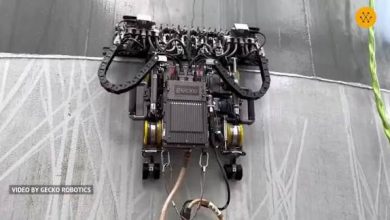
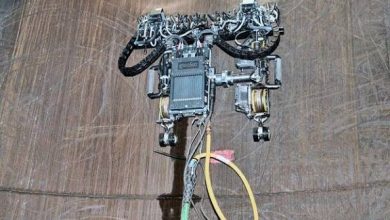
Robotics is developing through improvements in sensors, machine learning, computer vision, and mechanical engineering. Modern robots can perform specialised activities in manufacturing, logistics, agriculture, and healthcare environments.
As these systems become more capable, organisations may use them to complete repetitive or physically demanding tasks. Human workers will continue to play important roles in supervision, maintenance, planning, and activities requiring complex judgement.
How Individuals Can Keep Up With Digital Discoveries
Keeping up with technology does not require learning every programming language or understanding every technical system. A practical approach involves developing digital awareness, exploring useful tools, and identifying which developments are relevant to personal or professional goals.
People can begin by following technology news, reading product explanations, watching educational demonstrations, and experimenting with commonly used applications. Students may benefit from learning basic programming, data analysis, or cybersecurity principles. Professionals can explore software that improves their existing workflows, while entrepreneurs may investigate digital solutions that help manage customers and operations.
Consistency is more valuable than trying to understand everything at once. Technology changes quickly, and some popular developments may become less important over time. Developing the ability to evaluate information, recognise practical applications, and identify potential risks is therefore more useful than simply following every new trend.
A technology-focused perspective such as gecktech encourages curiosity and continuous learning. Readers can use this approach to understand how innovations work and decide which developments deserve their attention.
Challenges Associated With Modern Digital Transformation
Although technological development offers many benefits, digital transformation also introduces challenges. One major concern is the digital divide. Not everyone has equal access to reliable internet connections, modern devices, or technical education. This can create differences in opportunities between communities and economic groups.
Another challenge involves the cost and complexity of implementation. Businesses may invest in software, equipment, and infrastructure without properly understanding their long-term requirements. If employees are not trained or systems are poorly integrated, technology investments may fail to produce the expected results.
Data management is another important issue. Organisations collect increasing amounts of information, but storing data is not the same as using it effectively. Companies need suitable policies to maintain accuracy, protect privacy, and ensure that information is used responsibly.
There is also a growing need for digital skills. As automation changes workplace activities, employees may need to develop new capabilities in communication, technology management, data interpretation, and critical thinking. Lifelong learning can help individuals adapt to these changing expectations.
FAQs About Modern Digital Discoveries
1. What does gecktech represent in the modern digital landscape?
Gecktech can be understood as a technology-focused topic associated with exploring digital discoveries, emerging innovations, and modern technological developments. It provides a useful context for discussing artificial intelligence, cloud computing, cybersecurity, smart devices, and other areas influencing the digital world.
2. Why is understanding modern technology important?
Understanding modern technology helps individuals make informed decisions, improve productivity, and recognise new opportunities. It also makes people more aware of digital risks, privacy concerns, and changing professional requirements. Basic technological knowledge has become useful across education, business, communication, and everyday activities.
3. How is artificial intelligence changing everyday life?
Artificial intelligence supports activities such as language translation, online searches, customer service, content creation, and information analysis. It helps automate repetitive tasks and makes certain digital services more responsive. However, important AI-generated information should always be checked for accuracy.
4. What are the benefits of cloud computing?
Cloud computing provides flexible access to storage, software, and computing resources through internet-based platforms. It supports remote collaboration, simplifies resource management, and can reduce the need for extensive physical infrastructure. Proper security settings and reliable backups remain essential.
5. Which technology trends should people understand?
Artificial intelligence, cybersecurity, cloud computing, the Internet of Things, robotics, blockchain, and extended reality are important areas to understand. Their practical importance varies depending on personal interests, professional requirements, and industry developments.
6. How can beginners improve their digital knowledge?
Beginners can start with basic computer skills, online safety, common productivity applications, and introductory technology courses. Reading reliable technology explanations and practising with useful digital tools can gradually improve understanding. Learning consistently is more effective than trying to master every new development immediately.
Conclusion
Modern digital discoveries are transforming how people communicate, learn, work, and manage everyday responsibilities. Artificial intelligence, cloud computing, cybersecurity, connected devices, robotics, and immersive technologies are creating new possibilities across personal and professional environments. At the same time, these developments highlight the importance of responsible technology use, digital privacy, and continuous learning.
Understanding technology is no longer limited to specialists. Individuals, students, entrepreneurs, and established businesses can all benefit from developing awareness of emerging innovations and their practical applications. The most valuable approach is to look beyond temporary trends and understand how particular solutions address real-world challenges.
Ultimately, gecktech reflects the broader interest in exploring modern digital discoveries and understanding the direction of technological progress. By remaining curious, evaluating new developments carefully, and adopting useful innovations responsibly, readers can become better prepared for an increasingly connected and technology-driven future.