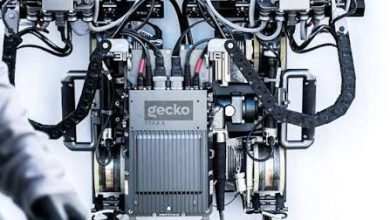
Gecktech represents the growing interest in digital tools, technology resources, software solutions, and online services that can help users manage everyday tasks more efficiently. As technology continues to evolve in 2026, people are looking for platforms and resources that make complicated digital activities easier to understand and use. Gecktech can be explored from this broader perspective, particularly by readers interested in technology trends, useful online tools, digital productivity, and emerging software.
Modern technology is no longer limited to computers and smartphones. Cloud platforms, artificial intelligence, automation, cybersecurity tools, data services, communication applications, and web-based utilities have become part of everyday digital life. A technology-focused resource can therefore be useful when it explains how these technologies work and where they can provide practical value.
What Is Gecktech?
The term Gecktech can be associated with a technology-oriented concept covering digital tools, technology information, software resources, and online solutions. Depending on the specific service or platform being discussed, its usefulness may vary by the tools available, the audience it targets, and the type of information it provides.
For readers, the important point is to understand what a technology resource actually offers rather than judging it only by its name. Useful technology platforms generally provide clear information, practical functionality, simple navigation, and resources that solve identifiable problems.
A modern digital user may need a file conversion tool in one situation, an AI-powered service in another, and a cybersecurity resource later. This broad range explains why technology portals and tool collections continue to attract attention.
Technology Areas Covered in 2026
Technology has become an extremely broad field. A useful resource can connect users with several categories instead of focusing on one narrow subject. Gecktech fits naturally into discussions about the wider technology ecosystem, where different digital solutions address different user requirements.
Some important technology areas include:
| Technology Area | Common Purpose | Example Use |
|---|---|---|
| Artificial Intelligence | Automation and content assistance | Research and productivity |
| Cloud Computing | Online storage and services | Accessing files remotely |
| Cybersecurity | Digital protection | Securing accounts and devices |
| Software Tools | Task management | Editing, organization, and analysis |
| Automation | Reducing repetitive work | Workflow management |
| Web Utilities | Quick online tasks | Conversion and information tools |
| Mobile Technology | Portable digital access | Communication and productivity |
These categories are interconnected. For example, an AI application may operate through cloud infrastructure, while cybersecurity systems protect the information processed by that application.
Useful Digital Tools for Everyday Tasks
One of the most practical aspects of technology is its ability to simplify repetitive activities. Users can now find online utilities for document management, image editing, communication, scheduling, research, data organization, and other everyday requirements.
When exploring Gecktech, users interested in digital productivity should consider whether a tool solves a real problem and whether it is easy to operate. A technically advanced application is not necessarily useful if its interface is unnecessarily complicated.
Useful digital tools commonly help with:
- Organizing files and information
- Automating repetitive activities
- Managing online projects
- Editing documents and media
- Improving communication and collaboration
- Supporting research and productivity
The best use of any online utility begins with identifying the task that needs to be completed. This prevents users from collecting unnecessary applications simply because they are popular.
Artificial Intelligence and Automation
Artificial intelligence remains one of the most significant technology developments in 2026. AI systems are being incorporated into search, writing, coding, customer support, analytics, image processing, productivity software, and business operations.
The growing role of automation also changes how people interact with software. Instead of manually completing every step, users can increasingly configure systems to perform repetitive operations automatically.
Gecktech can be considered within this wider technology landscape because AI and automation are now closely connected with many digital tools. For example, an automated workflow can collect information, organize it, generate a report, and notify a user without requiring each step to be performed manually.
However, automation should be used thoughtfully. Users should review automated results, particularly when decisions depend on accuracy, privacy, financial information, or sensitive data.
Cloud Computing and Online Services
Cloud computing has transformed the way software and information are accessed. Instead of depending entirely on locally installed applications, users can access many services through web browsers and connected devices.
Cloud-based technology supports remote collaboration, online storage, software-as-a-service applications, backup systems, and business platforms. It also allows users to work across multiple devices without maintaining separate copies of every resource.
For people researching Gecktech, understanding cloud technology is useful because many modern digital tools depend on cloud infrastructure. The quality of a cloud-based service can depend on factors such as availability, performance, security practices, compatibility, and account management.
Users should also understand that convenience does not remove the need for responsible data management. Strong passwords, multi-factor authentication, software updates, and careful permission settings remain important.
Cybersecurity and Digital Privacy
As digital services become more common, cybersecurity has become an essential part of technology awareness. Personal information, account credentials, documents, payment details, and business data can all be exposed when users ignore basic security practices.
A responsible technology approach should therefore include awareness of phishing, malware, unsafe downloads, weak passwords, suspicious links, and excessive application permissions.
When evaluating Gecktech or any other technology resource, users should consider how the service handles information and whether its practices are clearly explained. Readers should avoid entering sensitive information into unfamiliar websites simply because a tool appears convenient.
Several basic security habits can provide an important layer of protection:
- Use unique passwords for important accounts.
- Enable multi-factor authentication where available.
- Keep operating systems and applications updated.
- Review application permissions regularly.
- Avoid downloading files from unknown sources.
These practices are useful regardless of which technology platform or software application a person uses.
Mobile Technology and Cross-Platform Access
Smartphones have become central to digital activity. Users expect applications and online services to work smoothly across phones, tablets, laptops, and desktop computers.
Cross-platform compatibility is therefore an important consideration when exploring Gecktech and similar technology resources. A service may be useful on a desktop but less practical if its mobile experience is poor.
Responsive web design, mobile applications, synchronization, cloud storage, and account-based access can make digital services easier to use across multiple devices. For professionals and students, this flexibility can be particularly valuable because work increasingly happens outside traditional office environments.
How to Evaluate Technology Tools
Not every digital tool is suitable for every user. Before adopting a new service, it is useful to examine its purpose, features, usability, privacy practices, and compatibility.
A simple evaluation process can include these questions:
- What problem does the tool solve?
- Is the main function clearly explained?
- Does it work with the devices or software you already use?
- What information does it require?
- Are important settings easy to understand?
- Is the tool actively maintained?
This approach helps users distinguish between genuinely useful technology and services that offer little practical value.
Technology Trends to Watch in 2026
The technology landscape continues to develop rapidly. AI-assisted applications, automation, cloud computing, cybersecurity, edge computing, smart devices, and advanced data processing remain important areas of interest.
Another significant trend is the integration of multiple technologies into single workflows. Instead of using isolated applications, users increasingly expect tools to communicate with one another. For example, information collected through one application can be transferred to a cloud platform and then analyzed using AI.
This interconnected approach makes technology more powerful but also creates new challenges involving privacy, compatibility, reliability, and security.
Gecktech can therefore be explored as part of the larger conversation surrounding modern digital tools and technology services. Readers should focus on practical functionality and verified information rather than adopting a tool simply because it is associated with a current trend.
Benefits of Using Digital Technology Wisely
Technology can provide several practical benefits when selected according to actual needs. It can reduce repetitive work, improve access to information, support collaboration, and make certain professional and personal tasks faster.
For businesses, digital tools can support customer communication, project management, data analysis, marketing, accounting, and internal workflows. Students can use technology for research, organization, collaboration, and learning. Individual users can benefit from productivity tools, cloud services, communication applications, and digital utilities.
The key is purposeful adoption. More applications do not automatically mean greater productivity. A smaller collection of reliable tools can often be easier to manage than a large number of overlapping services.
What to Consider Before Using a New Technology Service
Before relying on any technology platform, users should verify its purpose and understand its limitations. Gecktech may be useful as a starting point for exploring technology-related subjects, but users should still examine individual tools and services according to their own requirements.
Important considerations include privacy, security, compatibility, pricing where applicable, customer support, update frequency, and ease of use. Users should also check whether information is current because technology changes quickly and features can become outdated.
Reading official documentation, reviewing current product information, and testing non-sensitive functions before committing to a service can reduce unnecessary risks.
Conclusion
Technology in 2026 is increasingly defined by interconnected digital services, artificial intelligence, automation, cloud computing, cybersecurity, and mobile access. Gecktech can be understood within this broader environment of technology resources and digital solutions, particularly for readers seeking information about modern tools and emerging technology.
The most useful technology choices depend on individual requirements rather than trends alone. Whether the goal is improving productivity, organizing information, automating tasks, protecting digital accounts, or exploring new software, users should evaluate each solution carefully.
As technology continues to develop, practical knowledge will remain just as important as access to new tools. Understanding how a service works, what information it requires, and whether it genuinely solves a problem can help users make more informed decisions in an increasingly digital world.