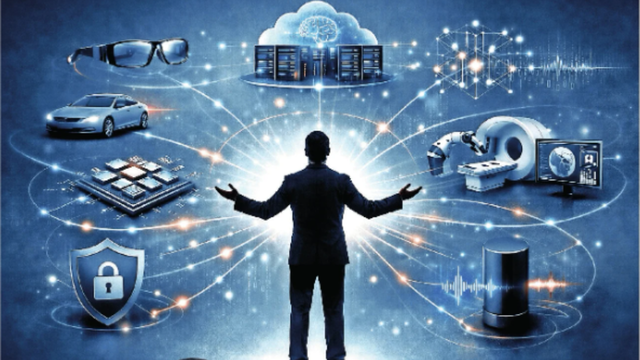
Technology in 2026 is moving beyond faster processors and larger screens. Artificial intelligence, connected devices, smart software, wearable technology, robotics, cybersecurity, and sustainable hardware are changing how people work, communicate, shop, travel, and entertain themselves. For readers who want to understand these developments without getting lost in technical jargon, Gecktech provides a useful theme around the latest technology news, gadgets, innovations, and digital trends.
The modern technology landscape is increasingly defined by products that combine hardware and software. Smartphones now use advanced AI features, laptops are becoming more intelligent, smart-home devices communicate with one another, and wearable products can provide increasingly detailed information. At the same time, companies are focusing on energy efficiency, privacy, device security, and practical applications rather than simply adding specifications.
Technology Trends Shaping 2026
One of the biggest developments across the technology industry is the growing integration of artificial intelligence. AI is no longer limited to chatbots or experimental software. It is being incorporated into smartphones, computers, cameras, search tools, productivity applications, customer-service platforms, and creative programs.
AI-powered features can help users summarize information, organize files, improve photographs, generate content, translate languages, and automate repetitive tasks. On personal devices, some processing can also take place directly on the hardware, reducing the need to send every task to a remote server.
Another important trend is the development of edge computing. Instead of depending entirely on centralized cloud infrastructure, some applications process information closer to where it is generated. This approach can support faster responses for connected vehicles, industrial systems, smart cameras, and other real-time applications.
The Changing World of Consumer Gadgets
Consumer electronics remain a major part of the technology industry. Smartphones, tablets, laptops, earbuds, smartwatches, gaming devices, monitors, and home appliances continue to receive frequent hardware and software upgrades.
In smartphones, manufacturers are concentrating on camera improvements, battery efficiency, display technology, connectivity, and AI-based features. Foldable and flexible displays also continue to influence premium device design. Meanwhile, laptops are increasingly built around processors designed to handle AI workloads efficiently.
The value of a gadget, however, cannot be judged by specifications alone. Software support, repairability, security updates, battery longevity, compatibility, and overall usability can have a major effect on the ownership experience. A device with impressive specifications may not necessarily be the most practical option for every user.
| Technology Area | Key Development in 2026 | Potential User Benefit |
|---|---|---|
| Artificial Intelligence | AI integrated into everyday software and devices | Faster automation and productivity |
| Smartphones | Improved cameras, processors, displays, and AI tools | More capable mobile experiences |
| Wearables | Better sensors and connected features | More useful personal technology |
| Smart Home | Greater device interoperability | Easier home automation |
| Computing | AI-focused chips and efficient processors | Faster intelligent workloads |
| Cybersecurity | Stronger identity and device protection | Improved digital safety |
AI-Powered Personal Technology
Artificial intelligence is becoming a defining feature of personal computing. Modern computers can increasingly perform AI-assisted tasks locally, including image enhancement, transcription, document organization, and certain forms of content creation.
This shift has also created interest in dedicated neural processing hardware. These components are designed to handle specific AI workloads while potentially reducing the energy required for certain operations. For consumers, the practical difference may appear through faster intelligent features rather than through a visible hardware component.
Gecktech discussions around AI should therefore focus not only on what a product claims to do but also on how its intelligent features work in everyday situations. Questions about privacy, offline functionality, subscription requirements, data processing, and software compatibility are becoming just as important as processor speed.
Smart Homes and Connected Devices
The smart-home market continues to develop as connected products become more interoperable. Smart lighting, security cameras, thermostats, speakers, locks, appliances, and energy-management systems can work together through connected platforms.
A useful smart-home setup does not necessarily require dozens of devices. A few compatible products can provide practical benefits, such as automated lighting, remote monitoring, scheduled heating or cooling, and energy management.
Interoperability is particularly important. Consumers increasingly expect products from different manufacturers to communicate reliably. Common standards and broader platform compatibility can reduce the problem of building a smart home around devices that cannot easily work together.
Wearable Technology Gets More Practical
Wearable technology has expanded from basic fitness trackers to a wider range of connected products. Smartwatches, wireless earbuds, smart rings, and other compact devices can provide notifications, navigation, communication, fitness information, and other digital functions.
The next stage of wearable development is likely to emphasize convenience and context. Instead of requiring users to constantly open a smartphone, wearable devices can deliver information at the right moment.

Battery life remains an important challenge. Smaller devices have limited physical space, while users expect them to operate for long periods. Advances in low-power processors, displays, batteries, and wireless connectivity are therefore essential to making wearable technology more useful.
Gaming and Immersive Digital Experiences
Gaming technology continues to benefit from improvements in graphics processing, displays, networking, and software. High-refresh-rate monitors, powerful graphics processors, spatial audio, cloud gaming services, and virtual or mixed reality platforms are contributing to more immersive experiences.
Modern gaming hardware is also becoming more versatile. A single device may support traditional games, streaming, media consumption, online communication, and creative applications. Portable gaming systems have further expanded interest in playing demanding games away from conventional desktop setups.
Beyond gaming, immersive technology can have applications in education, training, design, architecture, engineering, and digital collaboration. Virtual environments allow users to interact with three-dimensional information in ways that traditional displays cannot always provide.
Cybersecurity in a More Connected World
As technology becomes more interconnected, cybersecurity is becoming increasingly important. Smartphones, computers, smart-home products, cloud accounts, wearable devices, and online services all create opportunities for useful connectivity but also require appropriate protection.
Consumers should pay attention to software updates, strong authentication, password security, privacy settings, and application permissions. Hardware manufacturers also have an important role in providing timely security patches and protecting sensitive information.
Gecktech readers following new gadgets should consider security as part of the product experience rather than treating it as an optional feature. A device that handles personal information should have clear privacy controls and a reliable update strategy.
Sustainable Technology and Energy Efficiency
Environmental considerations are influencing technology design. Manufacturers are exploring more efficient processors, longer-lasting batteries, recycled materials, improved packaging, and product designs that can reduce electronic waste.
Energy efficiency is particularly important for data centers and AI infrastructure because large-scale computing requires significant electricity and cooling resources. At the consumer level, efficient displays, processors, chargers, and networking equipment can also reduce energy consumption over time.
Repairability is another growing consideration. Products that can be repaired or upgraded may remain useful for longer, potentially reducing the number of devices discarded when a single component fails.
How to Evaluate New Technology
Technology news can make every new product appear revolutionary, but careful evaluation helps separate meaningful improvements from marketing language. Before buying a new gadget, users should consider how the device fits their actual needs.
Important factors include:
- Purpose: Identify the tasks the device needs to perform.
- Compatibility: Check whether it works with existing hardware and software.
- Longevity: Consider battery life, update support, and durability.
- Privacy: Understand what information the product collects and processes.
- Value: Compare the overall ownership experience rather than focusing on specifications alone.
This approach makes technology purchasing more practical. The newest device is not automatically the right device if its additional features do not provide meaningful benefits for a particular user.
What to Watch in Future Innovation
The technology industry is likely to continue combining different fields rather than developing products in isolation. AI, robotics, cloud computing, semiconductor engineering, wireless connectivity, and advanced sensors are increasingly connected.
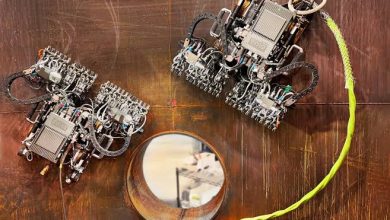
Robotics is one area worth watching. Improvements in computer vision, machine learning, sensors, and compact processors are helping robots operate in increasingly complex environments. Applications can range from warehouses and manufacturing facilities to healthcare, logistics, agriculture, and domestic assistance.
Advanced connectivity is another important area. Faster wireless networks and improved networking infrastructure can support connected vehicles, industrial automation, smart cities, and real-time applications. The long-term impact will depend not only on network speed but also on reliability, affordability, security, and coverage.
For technology enthusiasts, Gecktech represents a broad way to explore these changes while keeping attention on practical developments rather than hype. Understanding why a technology matters can be more valuable than simply knowing when a new product launches.
Conclusion
Technology in 2026 is increasingly focused on intelligent, connected, efficient, and user-centered experiences. AI is becoming part of everyday computing, smart devices are communicating more effectively, wearables are becoming more practical, gaming is becoming more immersive, and cybersecurity is gaining greater importance.
The most useful technology coverage connects innovation with real-world applications. Gecktech can serve as a useful topic for exploring gadgets, emerging technologies, digital trends, and the ideas shaping the next generation of consumer and professional technology. As innovation continues, informed users will be better positioned to understand which developments genuinely improve everyday digital experiences.